

When Is the Best Time of Year for Air Duct Cleaning?
February 17, 2026
- By
- Air Duct Cleaning AP
- Professional Air Duct Cleaning Specialists
Many homeowners believe there is a single “right month” for duct cleaning – choose spring or fall and the job is done. At Air Duct Cleaning AP, we have spent years helping families improve indoor air quality, and we have learned that the best timing is based on strategy, not just the calendar. The ideal time for air duct cleaning depends on how heavily your HVAC system runs, whether you have completed recent renovations, and whether you notice warning signs such as visible dust buildup, inconsistent airflow, or rising energy bills. We often encourage homeowners to review helpful resources like 5 common air duct issues to identify problems early. Overlooking proper timing can become expensive. After summer remodeling projects, for example, construction debris often settles inside ductwork, restricting airflow and forcing the blower motor to work harder than necessary. This added strain reduces efficiency, increases monthly utility costs, and can shorten equipment lifespan, leading to major repairs that could have been prevented with proactive cleaning.
Standards, Equipment, and Steps That Define Quality Work
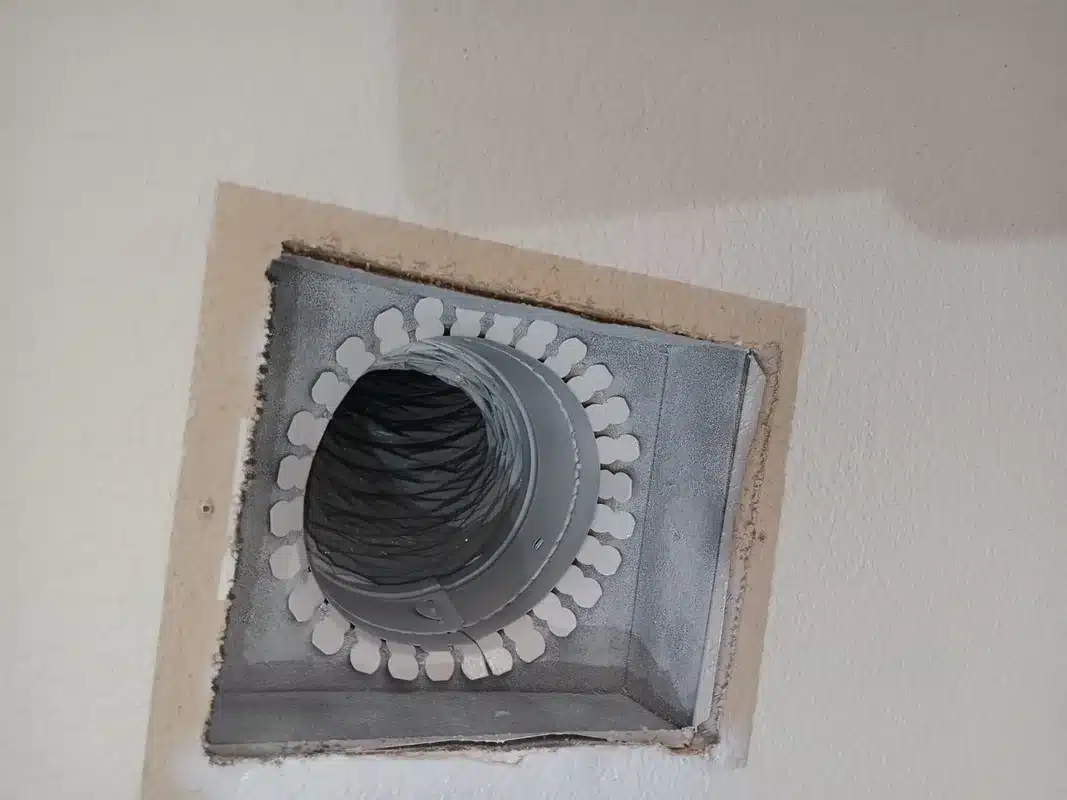
Proper duct cleaning follows defined industry standards and controlled procedures. NADCA’s ACR Standard outlines source removal as the accepted method, meaning we place the entire system under negative pressure before mechanical agitation begins. Skipping this step simply stirs debris without capturing it. A thorough service should include:
- Pre-cleaning inspection with cameras to assess supply and return runs
- Protection of floors and furnishings before access panel cutting
- Use of HEPA-filtered negative air machines
- Mechanical agitation with rotary brushes or compressed air whips
- Cleaning of blower assembly, evaporator coil housing, and return plenum
- Sealing of access panels to SMACNA standards
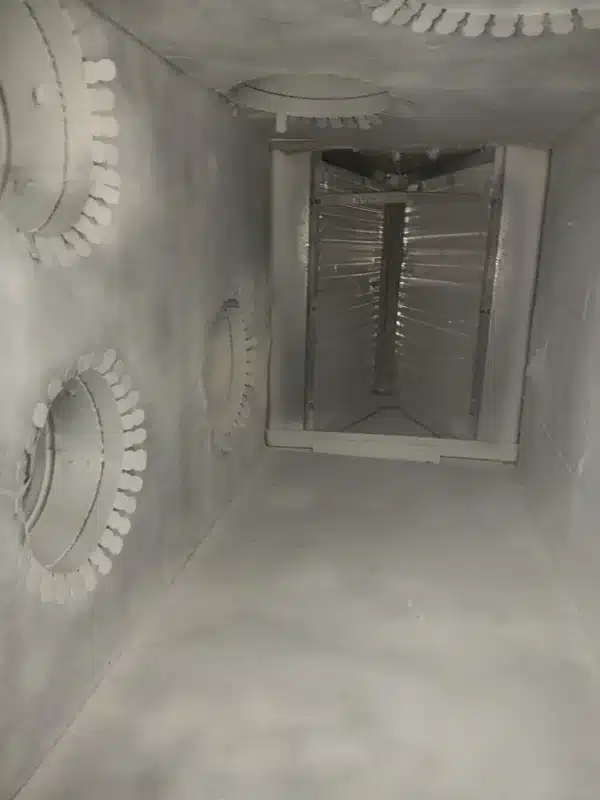
How to Decide When to Schedule Service
The best time of year for air duct cleaning often aligns with low HVAC demand. Early fall and mid-spring typically provide flexible scheduling and allow cleaning before heavy heating or cooling cycles begin. However, specific events override seasonality. Consider scheduling when:
- After major renovations or drywall sanding
- Following water intrusion or suspected mold growth
- When moving into a previously occupied home
- If airflow imbalance or excessive dust persists
Schedule a Seasonal System Check
Not sure if your air ducts need cleaning right now? Do not wait until dust, odors, or poor airflow turn into expensive HVAC repairs. Our specialists at Air Duct Cleaning AP provide a thorough, professional evaluation to give you clear answers and real peace of mind. We assess system usage, inspect contamination levels, measure airflow performance, and use camera technology to detect hidden buildup, renovation debris, or moisture issues that could be silently affecting your home. Even minor blockages can strain your system, increase energy bills, and reduce indoor air quality. A quick expert assessment today can prevent costly breakdowns tomorrow. Instead of guessing based on time alone, get personalized guidance tailored to your HVAC system and living conditions. Take control of your comfort and air quality now. Contact Air Duct Cleaning AP today to schedule your evaluation and protect your home before small issues become major problems.
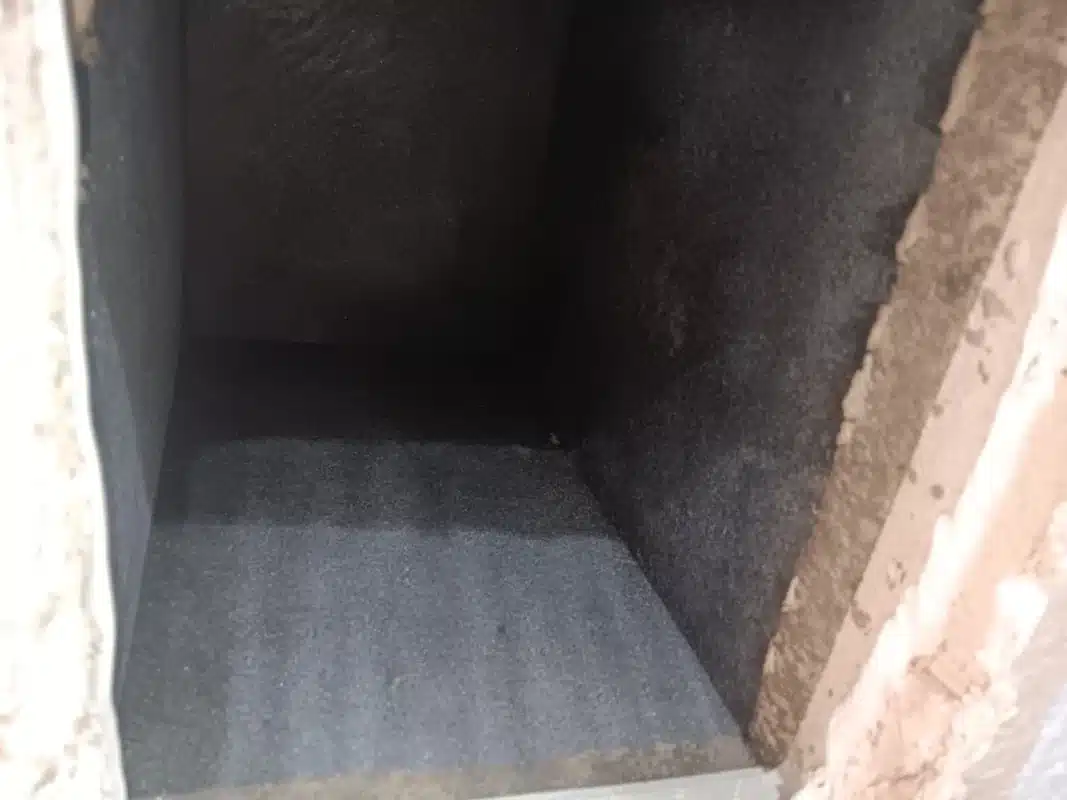
FAQs
Is spring or fall better for air duct cleaning?
Both spring and fall can be excellent times for duct cleaning, but the best choice depends on how your HVAC system is used throughout the year. Spring is often ideal if your heating system operated heavily during the winter months, as extended use can circulate dust, pet dander, and other debris through the ductwork. Cleaning in spring helps reset the system after months of continuous operation and prepares it for lighter seasonal use. Fall is another popular option, especially after a long cooling season. Air conditioning systems can generate moisture, and in humid climates that moisture may contribute to biological growth inside ducts. Scheduling service in early fall ensures your system is clean before you begin relying on heat daily. In general, the most strategic timing is just before peak usage, whether that means summer cooling or winter heating. If you have recently completed renovations, experienced airflow problems, or noticed unusual odors, those factors should take priority over the season. A professional inspection with a duct camera and airflow evaluation provides the most accurate guidance.
How often should homeowners clean their air ducts?
Most homes do not require duct cleaning every year. According to guidance from the National Air Duct Cleaners Association, cleaning should be performed on an as needed basis, which for many households means approximately every three to five years under normal living conditions. Several factors can shorten that timeline. Homes with multiple pets, residents who suffer from allergies or asthma, indoor smoking, or recent remodeling projects often accumulate dust and debris more quickly. In these situations, more frequent inspections and possible cleaning may be beneficial. Our approach focuses on evaluation rather than automatic scheduling. We look for visible debris inside supply and return ducts, signs of restricted airflow, contamination in return plenums, and buildup around vents and registers. If air filters are replaced consistently and the duct system is properly sealed, dust accumulation is typically reduced and cleaning intervals can be extended. However, events such as water damage, pest infestation, or significant construction dust should prompt immediate inspection and likely service. Inspection driven maintenance ensures cleaning is performed only when truly necessary.
How much does air duct cleaning usually cost?
Residential air duct cleaning typically begins at approximately $400 and can range to $1,200 or more, depending on the size and complexity of the home. Larger properties, multi story layouts, or homes equipped with multiple HVAC systems often fall on the higher end of the pricing spectrum. Costs are influenced by several factors, including the overall square footage, the number of vents and returns, and the condition of the ductwork interior. Accumulated dust, pet dander, construction debris, or signs of mold growth can increase the level of labor and specialized equipment required. Additional components such as blower motors, evaporator coils, and air handlers may also need cleaning, which can affect the total investment. Limited access to duct runs, tight crawl spaces, or high ceilings may extend labor time and impact pricing. In cases involving mold remediation or antimicrobial application, containment procedures may be necessary. These price ranges serve as general guidelines for budgeting purposes. A detailed on site inspection is required to provide an accurate, customized estimate.
Can I clean my air ducts myself?
Homeowners can remove vent covers and vacuum around the openings, but this approach only captures loose surface dust that is easy to reach. It does not address buildup that collects deep inside branch lines, trunk lines, or return plenums. Professional duct cleaning services use high powered negative air machines that create strong suction throughout the system, along with specialized rotary brushes and mechanical agitation tools that dislodge compacted debris from interior surfaces. These tools are specifically designed to reach long duct runs and tight corners that household vacuums cannot access. Without proper containment and filtration, do it yourself attempts can stir up dust and allergens, allowing them to circulate back into living spaces. Accessing blower compartments, evaporator coils, or cutting service panels into ductwork also requires knowledge of proper sealing methods to prevent air leaks and efficiency loss. For routine upkeep, replacing HVAC filters on schedule and wiping down registers is beneficial. However, for heavy contamination, post renovation debris, pest residue, or suspected mold growth, trained professionals and commercial grade equipment are necessary to ensure contaminants are fully removed rather than simply redistributed.
What signs indicate it’s time to schedule duct cleaning?
Pay attention to warning signs that suggest your ductwork may need professional attention. Persistent dust buildup shortly after cleaning surfaces is often one of the first indicators that contaminants are circulating through the system. Musty or stale odors when the HVAC system starts can point to mold or debris inside the ductwork. Uneven airflow between rooms, with some spaces feeling stuffy while others receive strong airflow, may signal obstructions or heavy buildup within certain sections of the system. Visible debris inside supply vents is another clear sign that cleaning or inspection is overdue. If allergy or asthma symptoms worsen when the HVAC system cycles on, airborne dust, pet dander, or other irritants could be spreading through the ducts. After remodeling projects such as drywall sanding, flooring replacement, or major renovations, fine particles often settle deep within return lines and should be addressed promptly. Rattling noises, reduced airflow, or clogged filters that require frequent replacement can also indicate underlying duct contamination. When several of these issues appear together, scheduling a professional inspection is the most reliable way to protect indoor air quality and system performance.
What problems are commonly found during duct cleaning?
Common issues we encounter during inspections and cleanings go far beyond simple dust buildup. Disconnected flex ducts are a frequent problem, preventing conditioned air from reaching intended rooms and causing uneven temperatures throughout the home. Crushed or kinked branch lines can significantly restrict airflow, forcing the system to work harder than necessary. We also find excessive pet hair accumulation in return ducts, along with construction debris such as drywall dust, wood fragments, and fasteners left behind from previous projects. Loose access panels and unsealed duct joints are another concern, as they allow attic or crawlspace contaminants to enter and circulate through the system. In some cases, condensation inside insulated duct liners creates conditions that support microbial growth. Blower assemblies often show heavy dirt buildup that reduces efficiency and increases motor strain. By identifying and correcting these issues during cleaning, homeowners can prevent energy waste, improve airflow, and reduce unnecessary wear on heating and cooling equipment.
What should I look for when hiring an air duct cleaning company?
Look for companies that follow NADCA standards and clearly explain their source removal process in detail. A trustworthy provider should describe each step, from initial inspection to final system verification, so you understand exactly what you are paying for. Ask whether they use HEPA-filtered negative air machines and specialized mechanical agitation tools instead of basic shop vacuums or household equipment. Proper containment and negative pressure are essential to prevent debris from spreading into living areas during cleaning. A reputable company performs system-wide cleaning that includes supply and return ducts, the air handler, blower motor, evaporator coil, and return plenum rather than focusing only on vent covers. Confirm that the company carries appropriate insurance coverage and is willing to provide documentation upon request. Request a written scope of work that outlines all components included in the service. Technicians should conduct an inspection before providing a quote and explain their findings using photos or video evidence. Be cautious of extremely low promotional prices, as they often indicate limited or incomplete service. Clear communication about scheduling, access panel creation, sealing procedures, and post-cleaning verification reflects true professional standards.
When should duct cleaning be scheduled urgently?
Duct cleaning is not usually considered an emergency, but there are situations where prompt action is important to protect both your HVAC system and your indoor air quality. After events such as water damage, visible mold growth inside ductwork, or a confirmed pest infestation, contaminants can spread quickly throughout the entire system. When this happens, every time the system operates it may circulate spores, allergens, or debris into living spaces. If you detect strong musty or unusual odors when the HVAC system turns on, or if you see dust and particles actively blowing from supply vents, it is wise to schedule professional service as soon as possible. While waiting for an inspection, replace your existing filter with a high quality pleated filter to help capture airborne particles. Avoid running the system continuously if contamination is suspected. A sudden drop in airflow across multiple rooms can also signal a blockage or buildup that requires evaluation. Although duct issues are not typically as urgent as a complete heating or cooling failure, delaying service in these circumstances can increase equipment wear, reduce efficiency, and worsen indoor air quality concerns.