

Orlando Air Duct Repair: Signs & Costs Guide for Homeowners
April 8, 2026
- By
- Air Duct Cleaning AP
- HVAC Air Duct Repair Specialists
Wondering if your ductwork is costing you money or affecting your air quality? At Air Duct Cleaning AP, we’ve been helping Orlando homeowners diagnose and fix duct problems for years of experience, and this guide gives you a clear checklist to spot issues early and understand realistic repair costs. Our team often sees hidden leaks, crushed flex ducts, and poorly sealed joints in attics across Orlando homes. Ignoring damaged ductwork can quietly drive up utility bills and circulate contaminated air. We’ve inspected systems where a simple hvac air duct leak doubled energy loss in one zone, forcing the system to run longer and wear out faster.
What Quality Orlando Air Duct Repair Should Include
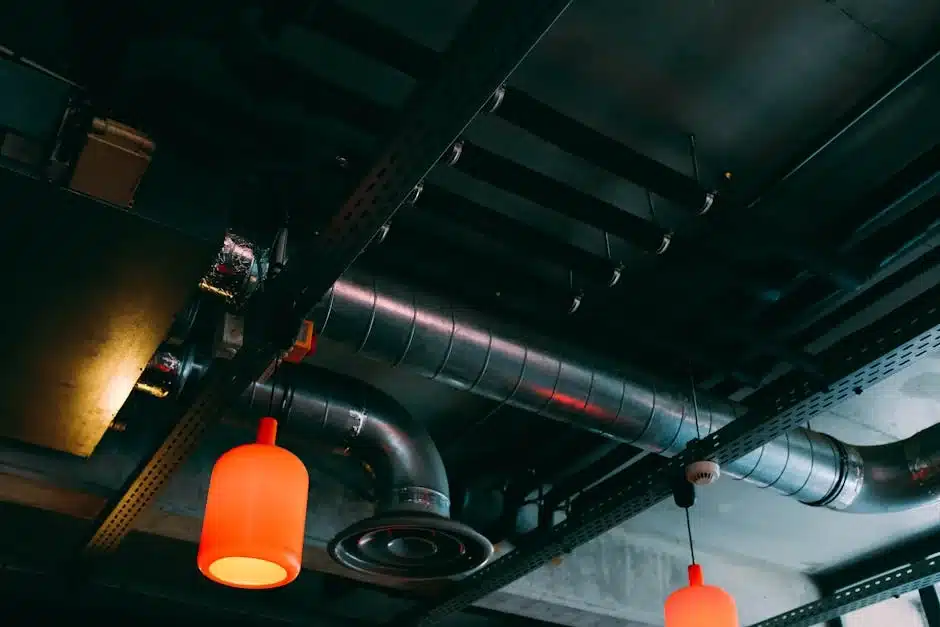
The most important best practices focus on airtight connections, proper insulation, and code compliance. Effective duct repair is not just patching visible damage; it restores system performance and protects indoor air quality. High-quality work should include:
- UL 181-rated sealants and tapes rather than cloth “duct tape,” which fails under attic heat.
- Mechanical fastening at joints (draw bands or screws) before applying mastic.
- R-6 or R-8 insulation on attic ducts, as commonly required under Florida Energy Conservation Code standards.
- Static pressure testing to confirm balanced airflow after repairs.
How to Plan Your Next Steps
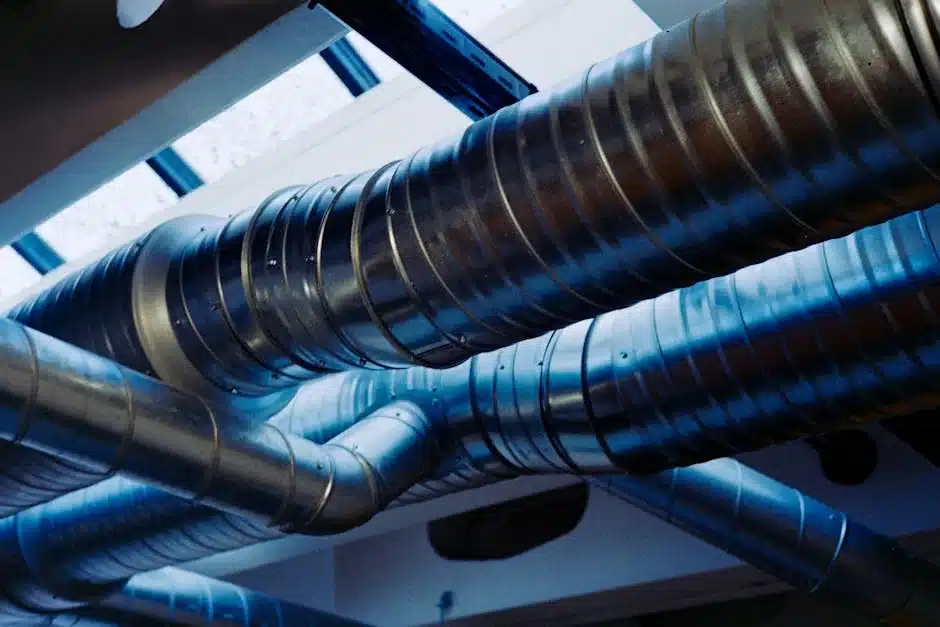
After confirming duct damage, the next step is determining whether sealing, partial replacement, or full reconfiguration makes sense. Minor repairs, such as sealing accessible joints or fixing a small tear in flex duct, may range from $250 to $600. Replacing multiple flex runs in an attic typically falls between $1,500 and $4,000. Larger projects involving air duct removal services and redesign can exceed $5,000, especially if airflow balancing is required. Costs fluctuate based on:
- Site complexity and attic accessibility
- Material costs (flex duct vs. rigid metal duct)
- Total scope of damaged runs and insulation needs
Schedule a Professional Duct Evaluation
If you suspect leaks, airflow problems, or hidden duct damage, we can help you pinpoint the issue before it affects your HVAC system or indoor air quality. Our team performs detailed inspections, pressure testing, and code-aligned repairs tailored to Orlando homes and attic conditions. You’ll receive clear findings, practical recommendations, and transparent next steps. Booking a professional evaluation now can prevent higher energy bills and premature equipment failure later.
FAQs
How do I know if I need air duct repair in Orlando?
Common signs include uneven cooling between rooms, higher-than-normal energy bills, excessive dust, and musty odors when the AC runs. In Orlando, humidity makes duct leaks more noticeable because disconnected return ducts can pull hot, damp attic air into the system. You might also hear whistling sounds near vents, which often indicate pressure imbalances or loose connections. We recommend checking visible attic ducts for sagging, crushed sections, or separated joints. A professional duct pressure test provides the most accurate answer, especially if your HVAC system runs longer than usual to maintain thermostat settings during peak summer months.
Can damaged ductwork affect indoor air quality?
Yes. Leaky return ducts can draw insulation fibers, dust, and humid attic air into your HVAC system. Over time, that contamination circulates through living spaces and may contribute to respiratory irritation. In humid climates like Orlando, moisture intrusion increases the risk of microbial growth inside ducts or on coils. Even small gaps at plenum connections can compromise filtration efficiency because air bypasses the filter. Properly sealed duct systems maintain controlled airflow and allow filters to work as designed. Repairing and sealing ducts restores that closed-loop system and helps maintain cleaner, more stable indoor air conditions.
What does air duct repair typically cost in Orlando?
Minor sealing or reconnecting accessible duct sections may start around $250 to $600. Replacing multiple attic flex runs might range from $1,500 to $4,000, while extensive redesign or full replacements can exceed $5,000. Pricing may fluctuate based on site complexity, material costs, and total scope of damaged ductwork. Homes with tight attic access or long duct runs often require additional labor time. Projects that include insulation upgrades or airflow balancing may also increase overall cost. These figures are preliminary benchmarks for informational purposes only and do not constitute a binding quote. An on-site evaluation is required for a final proposal.
Can I repair air ducts myself?
Homeowners can sometimes seal small, visible gaps using UL 181-rated foil tape or mastic, provided the area is safely accessible. However, diagnosing pressure imbalances, hidden disconnections, or return-side leaks typically requires professional tools such as a duct blaster or manometer. In our experience, DIY attempts often address only surface issues while leaving underlying airflow problems unresolved. Improper repairs, such as using cloth duct tape, usually fail under attic heat. For minor insulation rewrapping, DIY may be reasonable, but for airflow testing, code compliance, and larger replacements, professional service is the safer long-term choice.
What maintenance helps prevent future duct repairs?
Routine HVAC filter changes every one to three months reduce dust buildup and static pressure. Annual system inspections help identify loose connections, sagging flex ducts, or insulation damage before they worsen. In Orlando attics, ensuring ducts are properly supported with straps spaced according to code prevents kinks and airflow restriction. Keeping attic humidity controlled also reduces condensation risks. If you notice rising utility bills or uneven temperatures, scheduling an inspection early often prevents more extensive repairs. Preventive sealing and insulation reinforcement typically cost far less than replacing multiple damaged duct runs.
What duct problems are most common in Orlando homes?
High attic temperatures and humidity create unique challenges. We frequently see deteriorated flex duct outer jackets, disconnected collars at air handlers, and poorly sealed return plenums. Condensation forms on uninsulated or under-insulated ducts, increasing the risk of microbial growth. Storm activity can also shift or crush duct runs in attic spaces. Because Orlando homes rely heavily on air conditioning for much of the year, duct leakage significantly impacts energy consumption. Addressing these issues early improves efficiency and reduces strain on blower motors during extended cooling seasons.
What should I look for when hiring a duct repair professional?
Look for contractors familiar with the Florida Building Code (Mechanical) and industry standards from NADCA. Proper licensing, insurance, and clear documentation of repairs are essential. Ask whether they perform pressure testing or airflow measurements before and after repairs. Quality providers use UL 181-rated sealants and mechanically fasten connections rather than relying solely on tape. Detailed written estimates and photo documentation indicate thorough work. Be cautious if pricing seems unusually low without inspection, as comprehensive duct repair requires time, testing, and proper materials to meet code and performance standards.
When is duct repair urgent versus something that can wait?
Duct issues are rarely immediate emergencies, but some signs warrant prompt attention. Strong musty odors, visible disconnected ducts in the attic, or sudden spikes in energy bills suggest significant leakage. If rooms no longer receive airflow, a collapsed or separated run may be present and should be inspected soon to prevent system strain. Minor insulation wear or small accessible gaps can often be scheduled within a reasonable timeframe. Monitoring airflow consistency and humidity levels helps determine urgency. When in doubt, scheduling an inspection prevents small defects from escalating into larger efficiency or air quality problems.