

Air Duct Cleaning vs UV Light in Orlando Homes: What Actually Improves Indoor Air Quality?
May 15, 2026
- By
- Air Duct Cleaning AP
- HVAC Air Quality Specialists
Air Duct Cleaning vs UV Light in Orlando Homes – which one actually improves your air, protects your HVAC system, and makes sense for your budget? At Air Duct Cleaning AP, we’ve been helping homeowners sort through this exact question for years of experience, and we’ve noticed most people assume they do the same thing. That assumption can get expensive. In Seminole, we recently inspected a home where the owner installed a UV light but skipped duct cleaning for years. Dust and debris still coated the return lines, airflow was restricted, and the system struggled during peak humidity. The UV light wasn’t the problem – it just wasn’t addressing the root issue. If you’re unsure where to start, reviewing our air duct cleaning overview helps clarify what each solution is designed to solve.
How UV-C Works Inside Your HVAC System
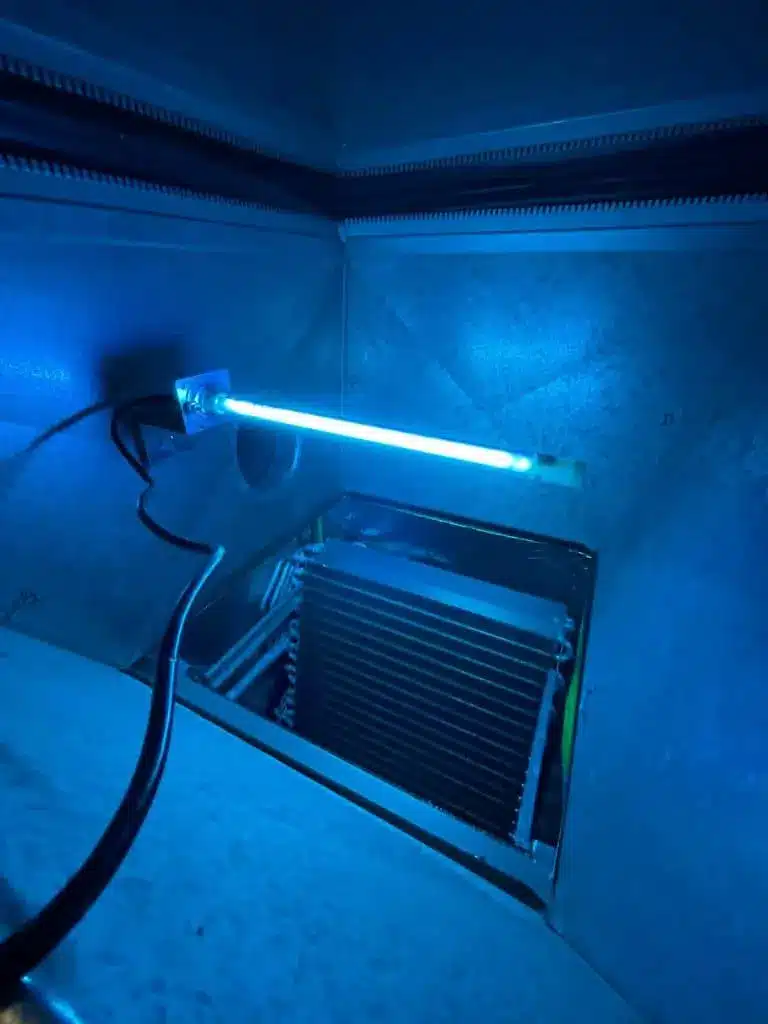
UV-C systems target microbial growth at the source – usually the evaporator coil and drain pan. Best results depend on correct placement, proper wavelength (typically 254 nanometers), and continuous exposure time. Simply mounting a bulb inside the duct without calculating exposure distance rarely delivers meaningful results. Professional-grade UV installations should include:
- Correct lamp intensity and sizing for coil surface area.
- Shielded wiring and code-compliant electrical connections.
- Annual bulb replacement, since UV output declines over time.
- Verification that the system complies with manufacturer guidelines and local electrical codes.
Choosing the Right Solution for Your Home
Air Duct Cleaning vs UV Light in Orlando Homes comes down to what problem you are solving. One removes accumulated debris; the other limits microbial growth on HVAC components. They often complement each other rather than compete.
A homeowner once installed UV lights hoping to fix visible dust blowing from vents. The issue turned out to be drywall debris left in the returns. After cleaning, the problem resolved immediately – UV alone would not have helped. Costs may fluctuate depending on:
| Criteria | Air Duct Cleaning | UV Light System |
|---|---|---|
| Primary Function | Removes dust, debris, contaminants | Inhibits mold/bacteria growth |
| Best For | Post-renovation, heavy dust, airflow issues | Humidity-related coil mold |
| Maintenance | Every 3 – 5 years (varies) | Annual bulb replacement |
| Typical Time | 3 – 5 hours average home | 1 – 2 hours installation |
| Cost Range | $400 – $900 may vary | $500 – $1,500 may vary |
| Main Risk if Ignored | Reduced airflow, system strain | Recurring microbial growth |
- Site complexity and duct accessibility.
- Material and equipment quality.
- Total scope, including coil or blower cleaning.
- If you see visible dust or recently remodeled, start with duct cleaning.
- If you notice persistent musty odors near the air handler, UV may help.
- If both dust and humidity-related mold are present, combining both often delivers the best outcome.
Not Sure Which Option Fits Your Home?
Choosing between duct cleaning and UV light systems depends on your specific HVAC condition, humidity levels, and air quality concerns. We evaluate airflow readings, inspect the coil and plenum, and check for visible debris before recommending anything. That way, you invest in the solution that addresses the real issue – not just the symptom. If you’re weighing Air Duct Cleaning vs UV Light in Orlando Homes and want a clear answer based on your system, we can provide a straightforward assessment. No pressure, no unnecessary upgrades – just practical guidance based on what your home actually needs.
FAQs
Is air duct cleaning or UV light better for allergies in Seminole?
For allergy relief, the better option depends on the source of irritation. If dust, pet dander, or renovation debris is circulating through the ductwork, mechanical air duct cleaning usually provides more noticeable improvement because it physically removes those particles. In Seminole homes with tile floors and high HVAC runtime, fine dust can accumulate in return ducts and get redistributed. UV light systems, on the other hand, target microbial growth on coils and drain pans. They may help if mold spores from a damp evaporator coil contribute to symptoms. However, UV does not remove existing dust from duct interiors. In many cases, homeowners benefit from cleaning first, then adding UV if humidity-related mold keeps recurring. Pairing either option with high-efficiency pleated filters (MERV 8 – 13, depending on system compatibility) also supports better allergen control without restricting airflow.
Do UV lights eliminate mold completely inside ductwork?
UV-C lights are designed to inhibit microbial growth on surfaces directly exposed to the light, typically the evaporator coil and nearby drain pan. They do not “eliminate” mold embedded deep inside duct liner or in areas outside the lamp’s exposure range. Effectiveness depends on proper placement, correct wavelength (around 254 nm), and continuous operation. If dust coats the coil, UV light cannot penetrate effectively. That’s why many HVAC manufacturers recommend cleaning the coil surface before installing UV systems. If mold has already colonized porous duct materials, mechanical cleaning – or in severe cases, duct replacement – may be necessary. UV works best as a preventive measure rather than a corrective one for heavy contamination. Homeowners expecting it to sanitize every inch of ductwork often misunderstand its intended purpose.
How much do air duct cleaning and UV light installation cost, and how long do they take?
Air duct cleaning for an average home may range from $400 to $900, depending on system size and accessibility. UV light installation typically starts around $500 and may reach $1,500 or more for high-output or dual-lamp systems. Timeframes vary:
- Duct cleaning often takes 3 – 5 hours.
- UV installation usually takes 1 – 2 hours.
- Site complexity and duct accessibility.
- Material and equipment quality.
- Total scope, including coil cleaning or electrical modifications.
Can homeowners install UV lights or clean ducts themselves?
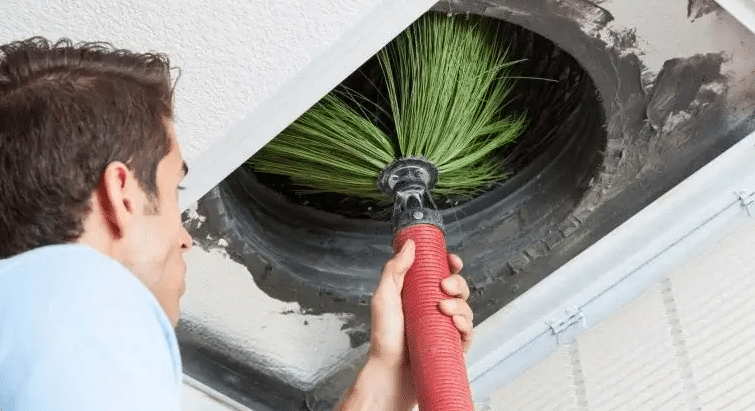
Basic maintenance like replacing air filters is appropriate for most homeowners. However, full duct cleaning requires commercial negative-air machines, rotary agitation tools, and proper containment procedures. Without those, debris often gets dislodged but not removed, spreading contaminants into living spaces. UV light installation involves electrical wiring inside the air handler cabinet. Incorrect placement or unsecured wiring can create safety hazards or void manufacturer warranties. Exposure to UV-C radiation can also damage eyes and skin if handled improperly. Homeowners comfortable with HVAC electrical work and code compliance might install certain UV kits, but most benefit from professional installation to ensure proper positioning and output. Duct cleaning, especially when mold or heavy debris is present, is best handled by trained technicians following NADCA standards.
What warning signs suggest I need duct cleaning or UV light?
Visible dust blowing from supply vents is a strong indicator that duct interiors may contain buildup. Uneven airflow between rooms can signal partial blockages. Musty odors near the air handler often point toward microbial growth on the evaporator coil. Other signs include:
- Frequent filter clogging before the recommended replacement interval.
- Allergy symptoms that worsen when the HVAC system runs.
- Recent remodeling or drywall sanding.
Are there common air quality issues specific to Seminole homes?
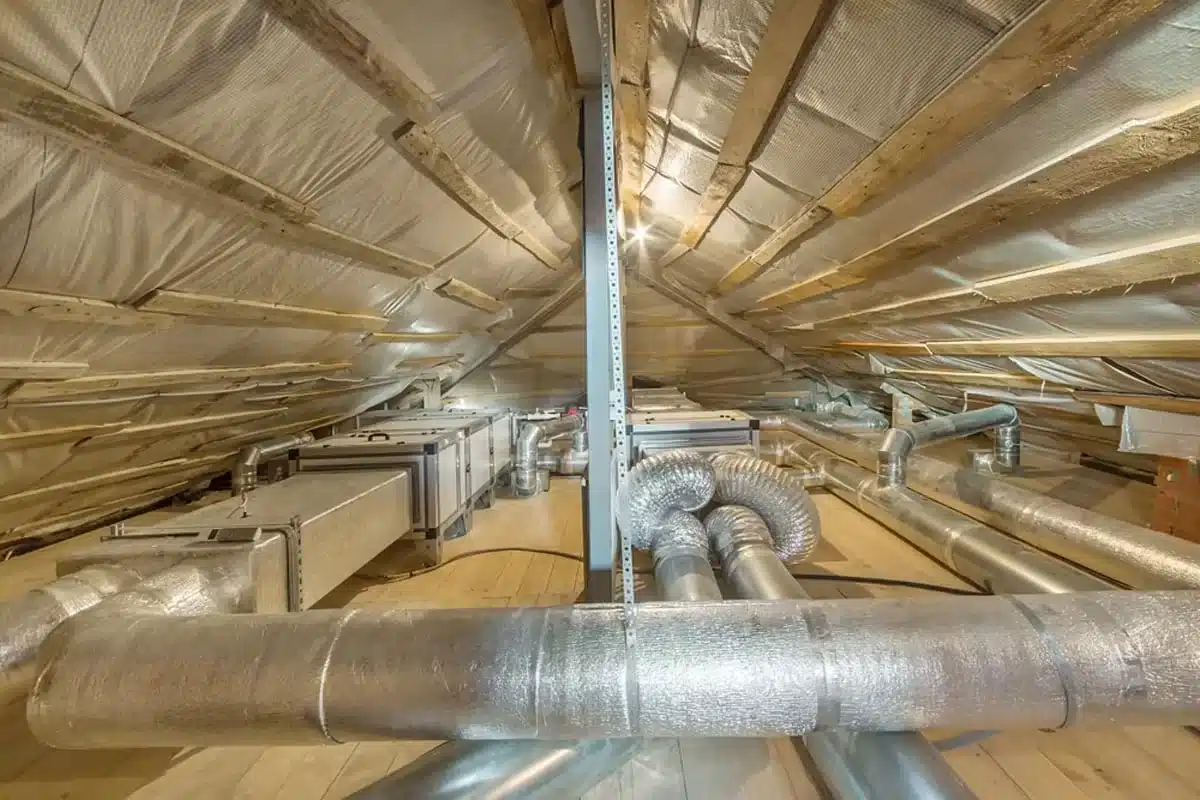
Seminole’s warm, humid climate creates ideal conditions for condensation on evaporator coils during long cooling cycles. That moisture supports microbial growth if coils are not kept clean. We often see musty odors linked to drain pan buildup in systems that run most of the year. Many homes also have attic-installed ductwork. When attic insulation or construction dust enters return leaks, debris can accumulate inside duct lines. Seasonal pollen and fine dust add to the load. Because air conditioners run frequently in this climate, even minor airflow restrictions can increase energy use. Maintaining clean ducts and monitoring humidity levels helps protect both indoor air quality and HVAC performance.
What should I look for when hiring a duct cleaning or UV installation professional?
Look for technicians who follow recognized industry standards. NADCA membership or adherence to the ACR Standard indicates proper cleaning procedures, including source removal and containment. Ask whether they clean the entire system – supply lines, return lines, blower compartment, and coil surface – not just vents. For UV installation, confirm they follow manufacturer placement guidelines and local electrical codes. The installer should explain bulb replacement intervals and verify safe wiring. Clear scope of work, proof of insurance, and written estimates matter. Companies that offer unusually low prices often skip key steps like coil cleaning or post-service verification. Professional service should include inspection photos or airflow measurements to confirm results.
When should I schedule service if it’s not an emergency?
Air duct cleaning and UV installation are rarely emergency services. Schedule cleaning after major renovations, when moving into an older home, or if visible debris appears at vents. UV systems are best installed during routine HVAC maintenance or coil cleaning. If you notice musty odors, increased dust, or reduced airflow, start with a system inspection. Replace your air filter immediately if it appears clogged, and check that supply vents are open and unobstructed. Plan service during moderate weather when HVAC demand is lower, allowing enough time for thorough inspection and cleaning. Addressing issues early prevents long-term strain on the blower motor and coil, reducing the likelihood of expensive repairs later.