

You’ve probably heard the term HVAC thrown around by contractors and home improvement pros. But what does it actually mean? We’re here to break it down for you in simple terms. Understanding HVAC helps you make smarter decisions about your home comfort. It also helps you spot problems before they become expensive repairs. Let’s dive into what these four letters represent and why they matter for your daily comfort. Trust us, once you know the basics, managing your home’s climate becomes way easier.
What Each Letter in HVAC Stands For
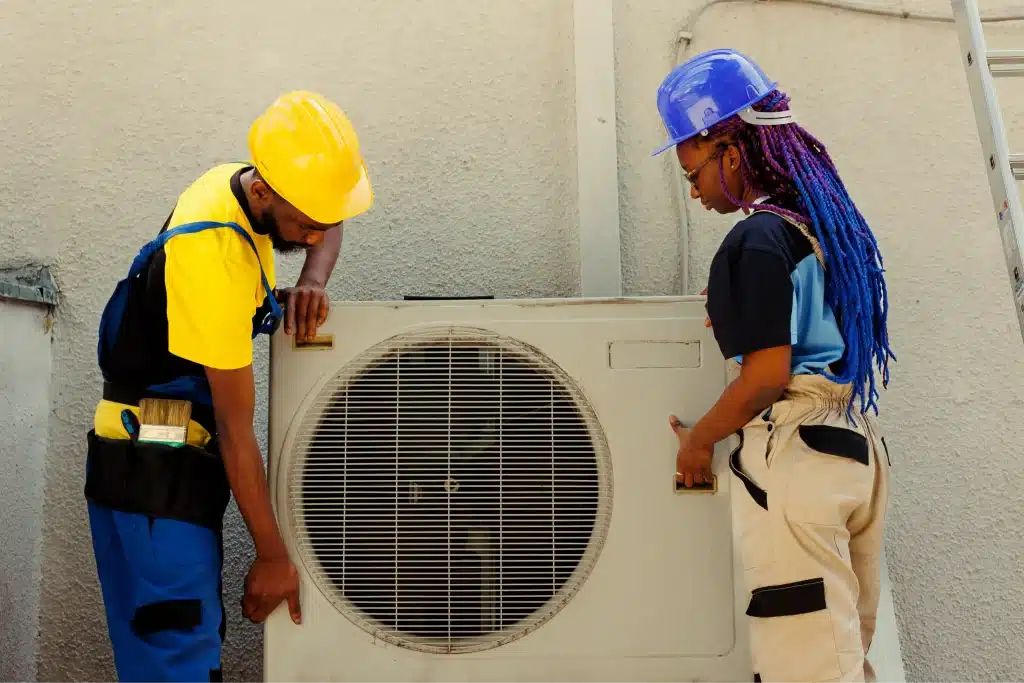
HVAC is an acronym that represents three essential functions in your home. Each letter plays a specific role in keeping your indoor environment comfortable year-round. These systems work together seamlessly, though you might not notice them until something goes wrong. The beauty of modern HVAC technology is how all three components coordinate automatically. Let’s break down what each letter means and how it affects your daily life.
Heating
The H stands for heating, which keeps your home warm during cold months. Most homes use furnaces, heat pumps, or boilers for this purpose. Your heating system pulls in cold air and warms it before distributing it throughout your space. Modern heating technology has become incredibly efficient compared to older models. When your heating works properly, you shouldn’t notice temperature swings or cold spots. Regular maintenance ensures your system runs smoothly when you need it most.
Ventilation
The V represents ventilation, which is honestly the unsung hero of your system. Ventilation moves air throughout your home and brings in fresh outdoor air. It removes stale air, odors, and indoor pollutants that build up naturally. Without proper ventilation, you’d notice stuffiness and poor air quality pretty quickly. Your system constantly exchanges indoor and outdoor air to maintain healthy conditions. This process happens quietly in the background all day long.
Air Conditioning
The AC stands for air conditioning, which cools your home during hot weather. Air conditioning systems remove heat and humidity from indoor air. They work by pulling warm air over cold coils and redistributing cooled air. Modern Air conditioner units also help control humidity levels for better comfort. When temperatures spike outside, your air conditioning makes indoor life bearable. These systems have become essential in most climates across the country.
Trustindex verifies that the original source of the review is Google. My ducks were clean! read to fly in the air. Thanks Air Duck CleaningPosted onTrustindex verifies that the original source of the review is Google. Exceptional duct replacement service! Courteous staff, quick installation, and fair pricing. They exceeded my expectations. Highly satisfied!Posted onTrustindex verifies that the original source of the review is Google. I recently used AirTech to unclog my dryer ventilation, sanitize my AC plenum, and reseal some leaky areas around my AC plenum. The tech who came out, Sergio, was amazing. He explained everything very well and took pictures of the inside of my AC and dryer ventilation to show the difference his service made. Sergio was very friendly, showed up right on time, and was able to answer any questions that came up. The price that AirTech charged was very reasonable and way better than some other companies I called. I would not hesitate to call them again for anything HVAC related.Posted onTrustindex verifies that the original source of the review is Google. Technician was very professional and the company was very upfront with charges. He cleaned the commercial vents. I'd recommend them to anyone looking for commercial vents cleaning!Posted onTrustindex verifies that the original source of the review is Google. AirTech - Air Vent Cleaning was able to get me in asap because my parents are coming in from out of town and my father has COPD and half of his lung is missing. They were on time professionals and kept me informed during the process. They did a great job and left everything clean and neat when they were done. I recommend them to anyone who wants to get their ducts, and furnace cleaned and sanitized. Thank you!Posted onTrustindex verifies that the original source of the review is Google. Great experience with AirTech - Air Vent Cleaning. Scheduling was easy and appreciated the reminder calls. AirTech - Air Vent Cleaning Specialists arrived promptly and thoroughly explained the process. Both were very courteous and kindly used shoe covers while in my home. They very efficiently completed the service and shared before and after photos of the ducts that were serviced. Price was reasonable and service was provided with the utmost professionalism. Thanks!Posted onTrustindex verifies that the original source of the review is Google. AirTech - Air Vent Cleaning Techs were professional and pleasant to deal with. They did a good job of caring for my home by using drop cloths as needed and wore protective "booties". Duct, vent and furnace cleaning went well.
The Combined Meaning Of HVAC Explained
When you put it all together, HVAC describes your complete climate control system. These three functions don’t operate independently but work as one integrated unit. Your thermostat coordinates all three components to maintain your desired temperature. The system constantly adjusts based on indoor and outdoor conditions. Think of HVAC as your home’s respiratory and temperature regulation system combined. Modern systems use smart technology to optimize performance and reduce energy waste automatically.
Get A Free Estimate

How Your System Works
Your system operates through a network of ducts, vents, and mechanical equipment. The process starts when your thermostat detects a temperature change. Then the appropriate component kicks in to heat, cool, or circulate air. Air flows through return vents, gets conditioned, and comes back through supply vents. The whole cycle repeats continuously to maintain consistent temperatures. Here’s what happens during a typical cycle:
- The thermostat senses a temperature change
- The system activates heating or cooling mode
- Blower fan pushes air through ductwork
- Conditioned air enters rooms through vents
- Return vents pull air back for reconditioning
Most systems complete this cycle multiple times per hour. The frequency depends on your settings and outdoor weather conditions.
Benefits of Understanding Your System
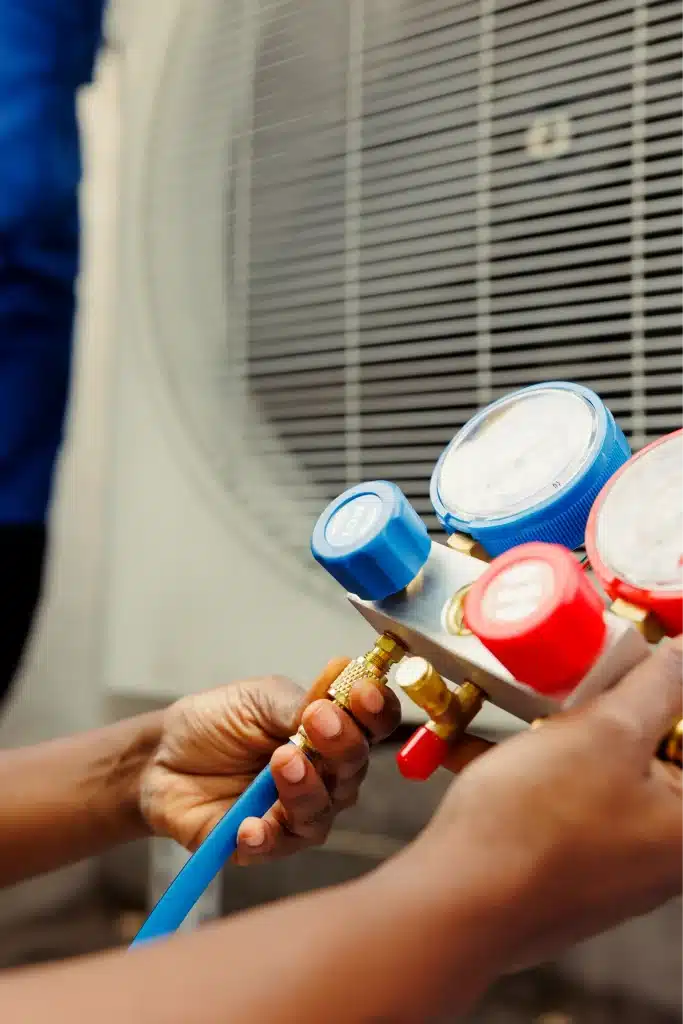
Knowing how your system functions helps you catch problems early. You’ll recognize unusual sounds or performance issues before they escalate. This knowledge also helps you communicate better with repair technicians. Understanding the basics can save you money on unnecessary service calls, too. You’ll know when something actually needs professional attention versus a simple fix. Plus, you can make informed decisions about upgrades and replacements when the time comes.
Trust the HVAC Experts
Look, we get it. Your system seems complicated at first glance. But now you understand what those four letters mean and why they matter. Knowing the basics helps you maintain a comfortable home year-round. When issues pop up, you’ll have the knowledge to describe problems accurately. Professional technicians appreciate working with informed homeowners who understand their systems. Don’t hesitate to ask questions when you schedule maintenance or repairs. We’re always happy to explain what we’re doing and why. Your comfort and understanding are both important to us.
Frequently Asked Questions
Q: What are the different types of HVAC systems available for homes?
A: Split systems are the most common, with indoor and outdoor units. Packaged systems combine all components in one outdoor cabinet. Ductless mini-splits work great for homes without existing ductwork. Heat pumps provide both heating and cooling efficiently. Geothermal systems use underground temperatures for climate control. A qualified HVAC technician can assess which type fits your home best.
Q: How can I improve my HVAC system's energy efficiency?
A: Start by changing filters monthly and sealing duct leaks. Upgrade to a programmable or smart thermostat for better control. Schedule regular maintenance to keep HVAC equipment running optimally. Add insulation to your attic and walls to reduce workload. Consider replacing units older than 15 years with high-efficiency models. These changes can cut energy bills by 20-30 percent annually.
Q: Does my HVAC system affect indoor air quality?
A: Absolutely, your system directly impacts the air you breathe daily. Proper ventilation brings in fresh outdoor air and removes pollutants. Clean ducts prevent dust and allergens from circulating throughout your home. Regular filter changes trap particles before they spread. Poor indoor air quality causes allergies, headaches, and respiratory problems. Professional duct cleaning every few years makes a noticeable difference.
Q: What's the difference between air conditioning and refrigeration in my cooling system?
A: Both use similar refrigeration principles to remove heat from air. Your cooling system moves refrigerant between the indoor and outdoor coils. The refrigerant absorbs heat inside and releases it outside. Standard air conditioning cools entire spaces through ductwork. The process repeats continuously to maintain your desired temperature. Understanding this helps you recognize when refrigerant levels need professional attention.
Q: What does becoming an HVAC technician involve?
A: Most HVAC technicians complete vocational training or apprenticeship programs lasting 6 months to 2 years. They learn electrical systems, refrigeration mechanics, and safety protocols. Certification requirements vary by state, but typically include passing exams. Refrigeration mechanics and installers need EPA certification to handle refrigerants legally. The field offers stable careers with good pay. Experienced technicians often specialize in commercial or residential work.
Q: Why does my system struggle to control humidity levels?
A: Several HVAC components affect humidity control in your home. Oversized cooling systems cycle too quickly to remove moisture effectively. Dirty coils can’t condense water vapor properly. Blocked drainage lines prevent moisture removal. Your system should maintain humidity between 30 and 50 percent year-round. High humidity makes homes feel warmer than the actual temperature. A technician can evaluate your system and recommend solutions.
Proudly Serving
These Areas
- Orlando, FL
- Lake Nona, FL
- Dr. Philips, FL
- Hunter's Creek, FL
- Heathrow, FL
- Oviedo, FL
- Baldwin Park, FL
- Saint Cloud, FL
- Kissimmee, FL
- College Park, FL
- Windermere, FL
- Winter Park, FL
At Air Duct Cleaning AP, we are committed to providing high-quality air duct services to homes and businesses throughout Orlando. With years of experience in the industry, our team of skilled professionals ensures your HVAC system operates efficiently and delivers clean fresh air.
We specialize in air duct cleaning, installation, inspection, repair, replacement, UV light installation, and sealing, using state-of-the-art equipment and advanced techniques. Our goal is to improve indoor air quality, enhance energy efficiency, and create a healthier living and working environment for our customers.