

Living in Orlando, I see firsthand how much people rely on their heating and cooling equipment. At our company, our team works inside homes across Winter Park, Kissimmee, and beyond every single day. One thing stands out to me constantly. Most homeowners don’t really understand how their HVAC system actually works. That’s completely normal. These units are complex. But knowing the basics can save you money and keep your family comfortable year-round. Let me walk you through everything you need to know.
What Is an HVAC System and How Does It Work?
HVAC stands for heating, ventilation, and air conditioning. Your HVAC system is responsible for controlling temperature and humidity inside your home. It also filters the air you breathe every day. Think of it as your home’s lungs.
Here’s the simple version. Your unit pulls in air, conditions it to the right temperature, then pushes it through your air ducts. The thermostat tells everything when to turn on and off. In Florida, we run our cooling equipment about nine months out of the year. That puts serious demand on these machines.
I’ve worked on units that were 20 years old and still running. I’ve also seen brand new equipment fail within months due to poor installation. The difference usually comes down to maintenance and understanding how things connect. Your HVAC system includes multiple components working together. When one part struggles, everything else works harder.
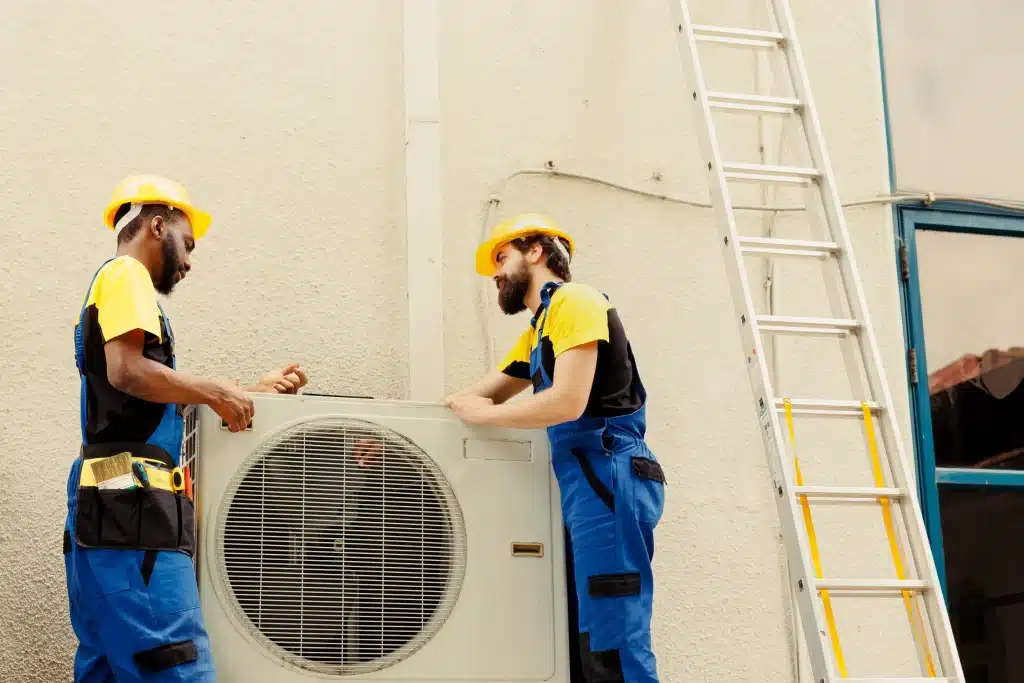
Main Types of Heating and Cooling Equipment
Not every home uses the same setup. The main types of equipment depend on your home’s size, layout, and budget. Let me break down the most common options we see in Central Florida.
Furnaces and Heat Pumps Explained
A furnace generates heat by burning fuel or using electric resistance. It pushes warm air through your ductwork. Furnaces work great in colder climates. But here in Orlando, we don’t need that much heating power.
That’s where heat pumps shine. A heat pump moves heat rather than creating it. During winter, it pulls warmth from outdoor air and brings it inside. During summer, it reverses and works like an air conditioner. This makes heat pumps incredibly energy efficient for our mild winters. Most homes I visit in Altamonte Springs and Sanford use heat pumps as their primary heating and cooling source.
Air Conditioners and Mini-Split Options
Traditional air conditioners cool your home using refrigerant. The outdoor unit releases heat while the indoor air handler blows cold air through your ducts. This is still the most common AC setup in Florida.
Mini-split units are different. They don’t need ductwork at all. Each room gets its own wall-mounted unit connected to an outdoor compressor. I recommend mini-splits for older homes without existing ducts. They also work well for additions or sunrooms. The downside is cost. Installing multiple units adds up quickly.
The Role of Ventilation and Indoor Air Quality
Ventilation is the “V” in HVAC, and honestly, it gets overlooked too often. Proper ventilation brings fresh outdoor air into your home. It also removes stale air, odors, and pollutants.
Your air ducts are the distribution network. They carry conditioned air to every room. When ducts get dirty or damaged, your indoor air quality suffers. I’ve pulled pounds of dust, debris, and even mold from neglected ductwork. That stuff circulates through your home every time the unit runs.
Good ventilation also controls humidity. Florida humidity is brutal. Too much moisture indoors leads to mold growth and that musty smell nobody wants. Your HVAC system should keep relative humidity between 30 and 50 percent. If your home feels sticky even with the AC running, something isn’t right.
Florida Regulations for HVAC Equipment and Energy Efficiency
Florida has specific codes that govern heating and cooling installations. These rules protect homeowners and ensure equipment runs safely.
- Florida Building Code, Mechanical (2023) – Covers installation standards for all HVAC equipment, including ductwork and ventilation requirements.
- Florida Energy Conservation Code – Sets minimum efficiency ratings for new equipment. In Florida, air conditioners must meet SEER2 15 standards as of 2023.
- EPA Section 608 Regulations – Requires certified technicians to handle refrigerants. Improper handling results in fines up to $44,539 per day.
These regulations matter. An unlicensed installer might save you money upfront. But failed inspections and code violations cost much more later. Always verify your HVAC technician holds proper Florida licensing.
Trustindex verifies that the original source of the review is Google. My ducks were clean! read to fly in the air. Thanks Air Duck CleaningPosted onTrustindex verifies that the original source of the review is Google. Exceptional duct replacement service! Courteous staff, quick installation, and fair pricing. They exceeded my expectations. Highly satisfied!Posted onTrustindex verifies that the original source of the review is Google. I recently used AirTech to unclog my dryer ventilation, sanitize my AC plenum, and reseal some leaky areas around my AC plenum. The tech who came out, Sergio, was amazing. He explained everything very well and took pictures of the inside of my AC and dryer ventilation to show the difference his service made. Sergio was very friendly, showed up right on time, and was able to answer any questions that came up. The price that AirTech charged was very reasonable and way better than some other companies I called. I would not hesitate to call them again for anything HVAC related.Posted onTrustindex verifies that the original source of the review is Google. Technician was very professional and the company was very upfront with charges. He cleaned the commercial vents. I'd recommend them to anyone looking for commercial vents cleaning!Posted onTrustindex verifies that the original source of the review is Google. AirTech - Air Vent Cleaning was able to get me in asap because my parents are coming in from out of town and my father has COPD and half of his lung is missing. They were on time professionals and kept me informed during the process. They did a great job and left everything clean and neat when they were done. I recommend them to anyone who wants to get their ducts, and furnace cleaned and sanitized. Thank you!Posted onTrustindex verifies that the original source of the review is Google. Great experience with AirTech - Air Vent Cleaning. Scheduling was easy and appreciated the reminder calls. AirTech - Air Vent Cleaning Specialists arrived promptly and thoroughly explained the process. Both were very courteous and kindly used shoe covers while in my home. They very efficiently completed the service and shared before and after photos of the ducts that were serviced. Price was reasonable and service was provided with the utmost professionalism. Thanks!Posted onTrustindex verifies that the original source of the review is Google. AirTech - Air Vent Cleaning Techs were professional and pleasant to deal with. They did a good job of caring for my home by using drop cloths as needed and wore protective "booties". Duct, vent and furnace cleaning went well.
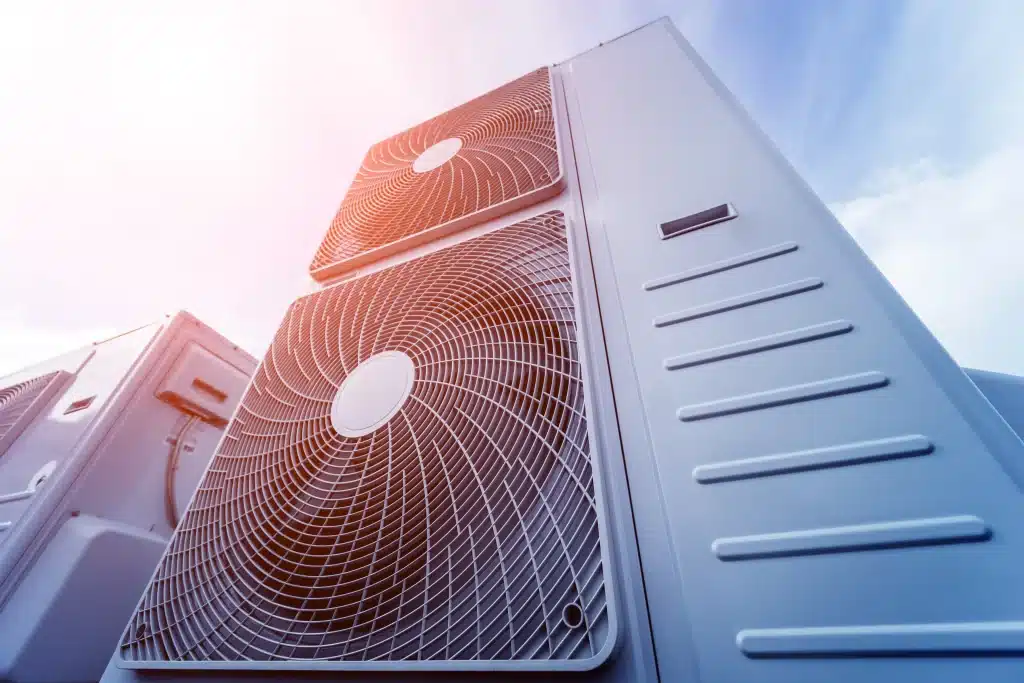
Common Signs Your HVAC System Needs Professional Attention
Your equipment gives warning signs before it fails completely. Catching these early saves money and prevents uncomfortable situations.
Watch for uneven temperatures between rooms. This often points to duct problems or a failing blower motor. Strange noises like grinding or squealing mean something mechanical is wearing out. Higher energy bills without increased usage suggest your unit is working harder than it should.
I always tell homeowners to check their air filter monthly. A clogged filter restricts airflow and strains every component. It’s the simplest maintenance task, yet people forget constantly. If your filter looks gray and thick, replace it immediately. Your HVAC system will thank you.
Get A Free Estimate

Keep Your Orlando Home Comfortable with the Right HVAC System
Understanding the basics puts you in control. You’ll make smarter decisions about repairs, upgrades, and maintenance. You’ll also communicate better with technicians who service your equipment.
At Air Duct Cleaning AP, we serve Orlando, Winter Park, Kissimmee, Lake Buena Vista, Clermont, and surrounding areas. Our team helps homeowners maintain clean ducts and efficient heating and cooling. A well-maintained HVAC system runs better, lasts longer, and keeps your indoor air quality high. If you have questions or need service, we’re always here to help.
Proudly Serving
These Areas
- Orlando, FL
- Lake Nona, FL
- Dr. Philips, FL
- Hunter's Creek, FL
- Heathrow, FL
- Oviedo, FL
- Baldwin Park, FL
- Saint Cloud, FL
- Kissimmee, FL
- College Park, FL
- Windermere, FL
- Winter Park, FL
At Air Duct Cleaning AP, we are committed to providing high-quality air duct services to homes and businesses throughout Orlando. With years of experience in the industry, our team of skilled professionals ensures your HVAC system operates efficiently and delivers clean fresh air.
We specialize in air duct cleaning, installation, inspection, repair, replacement, UV light installation, and sealing, using state-of-the-art equipment and advanced techniques. Our goal is to improve indoor air quality, enhance energy efficiency, and create a healthier living and working environment for our customers.
FAQ
Q: How often should I replace my air filter?
A: Check your air filter every month and replace it when it looks gray or clogged. Most filters need changing every 30 to 90 days. Homes with pets or allergies benefit from more frequent changes. A clean filter keeps your HVAC system running smoothly and improves indoor air quality throughout your home.
Q: What's the difference between SEER and SEER2 ratings?
A: SEER2 is the updated testing standard that began in 2023. It measures air conditioner efficiency under conditions closer to real-world use. Higher SEER2 numbers mean better efficiency and lower energy bills. Florida now requires minimum SEER2 15 ratings for new equipment. Older units used the original SEER scale with different testing methods.
Q: How long does a typical HVAC system last in Florida?
A: Most heating and cooling equipment lasts 10 to 15 years in Florida. Our hot, humid climate and constant AC use put extra strain on units. Regular maintenance extends lifespan significantly. Heat pumps and air conditioners that run nine months yearly wear faster than equipment in milder climates.
Q: Can I install a mini-split system myself?
A: No, you should hire a licensed professional. Florida requires certified technicians to handle refrigerants under EPA Section 608 regulations. Improper installation voids warranties and can damage equipment. Mini-splits also need proper electrical connections and correct sizing. DIY installation often leads to inefficiency, breakdowns, and costly repairs down the road.
Q: Why does my home feel humid even with the AC running?
A: Your HVAC system might be oversized, cycling off before removing enough moisture. Dirty evaporator coils also reduce dehumidification. Leaky ductwork lets humid attic air into your home. Your system should maintain 30 to 50 percent relative humidity. A technician can diagnose the specific cause and recommend solutions.
Q: How do I know if my air ducts need cleaning?
A: Look for visible dust around vents, musty odors when the unit runs, or increased allergy symptoms indoors. If you haven’t cleaned ducts in five years or recently completed renovations, scheduling service makes sense. Dirty ductwork circulates pollutants throughout your home every time your HVAC system operates.