

Is Air Duct Cleaning Worth It? What Experts Recommend
March 19, 2026
- By
- Air Duct Cleaning AP
A homeowner once called Air Duct Cleaning AP after noticing fine dust collecting near every vent, even right after vacuuming. At Air Duct Cleaning AP, we’ve been helping clients with professional Air Duct Cleaning for years. Our team often finds that visible dust buildup is only part of a deeper problem – hidden debris and microbial growth reducing HVAC performance. This article explores whether air duct cleaning is truly worth it and what experts recommend. Ignoring dirty ductwork can lead to poor indoor air quality and premature equipment wear. One property we serviced had a blower motor failure caused by years of accumulated dust choking airflow. The cost of that repair far exceeded a scheduled cleaning. Knowing when and how to clean your ducts can protect both your health and your investment. Learn more about professional air duct removal services and maintenance below.
How expert air duct cleaning meets industry guidelines
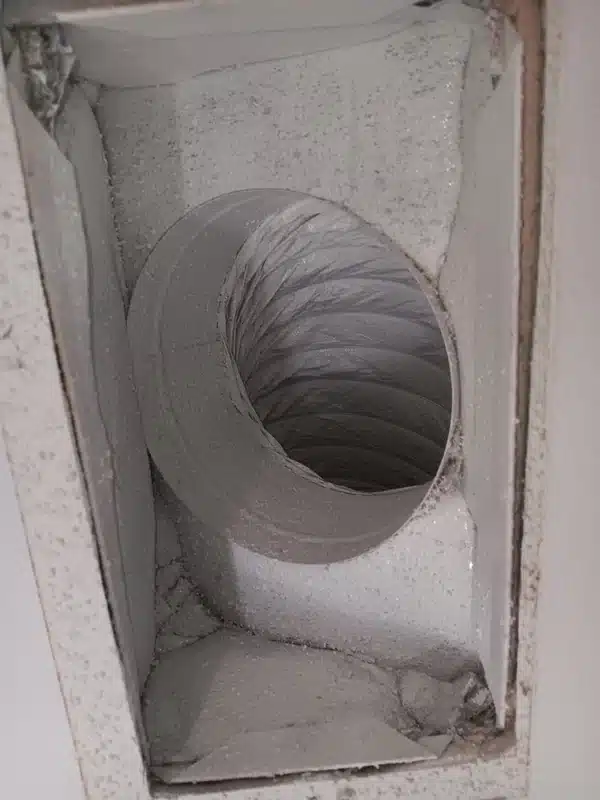
Effective air duct cleaning relies not only on strong equipment but also on the insight that comes from knowing local conditions inside and out. Local expertise matters because every region presents unique challenges, from seasonal humidity variations to construction materials and dust sources that influence indoor air quality. A technician who understands the area can anticipate what commonly clogs ducts, which types of homes need deeper cleaning, and how to minimize disruptions during service. In our local communities, we often encounter a mix of older HVAC systems and newly sealed homes, each requiring a tailored approach. True professionals integrate national standards like NADCA guidelines with firsthand regional knowledge to provide consistent, measurable results. Trusted local specialists also take time to communicate effectively with homeowners. They are familiar with neighborhood codes, utility systems, and the patterns that determine how air moves within different property layouts. Because they live and work nearby, they stand behind their service and respond quickly if follow up adjustments are needed. Local expertise transforms what could be a routine cleaning into a longer-term improvement in comfort and efficiency. For anyone considering new duct installations or upgrades, exploring our practical guide at how we install air ducts provides further insight into proper system design. Choosing a locally knowledgeable, certified professional ensures higher indoor air quality, balanced temperature control, and enduring energy savings throughout every season.
Timelines, costs, and upkeep recommendations
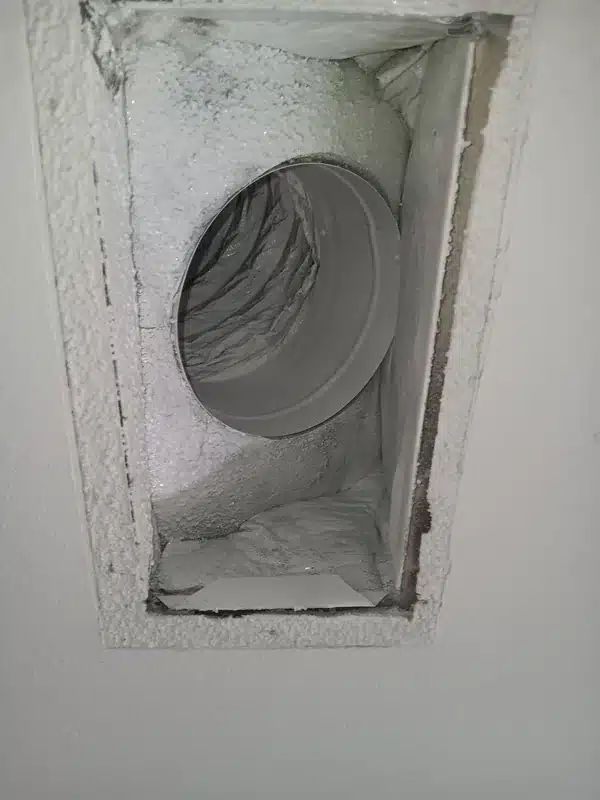
Ongoing maintenance protects both indoor air quality and system efficiency. Most HVAC professionals recommend inspecting ducts every 3 – 5 years, depending on usage and environmental factors. Homes with pets, smokers, or recent renovations may require more frequent service. For systems showing signs of mold or moisture, prompt correction prevents corrosion and microbial growth. A customer once tried cleaning only accessible vents using a household vacuum. Within months, persistent odors returned because deeper lines remained filled with dust and mildew. Professional equipment, such as rotary brushes and truck-mounted vacuum systems, achieves the suction velocity needed to clear the entire network. Typical air duct cleaning costs may range from $400 to $1,200 depending on:
- System size and design complexity
- Contamination level and material type
- Total number of registers and return vents
Schedule a Professional Air Duct Evaluation
Breathe easier and enjoy a healthier home with Air Duct Cleaning AP, your trusted experts in advanced air duct inspection and cleaning. Our certified technicians remove dust, debris, and hidden buildup that restrict airflow and increase energy costs. Clean ducts help your HVAC system run efficiently, reduce allergens, and create a noticeably fresher indoor environment. If you have uneven airflow, musty odors, or a spike in utility bills, do not wait for major issues to appear. Acting now prevents expensive repairs and keeps your system running strong all year. Contact Air Duct Cleaning AP today to schedule your full-service cleaning and experience cleaner air, lower costs, and total comfort for your entire household.
FAQs
How often should air ducts be cleaned?
Most residential duct systems should be cleaned about every three to five years, although this interval can vary significantly depending on lifestyle and environmental conditions. Homes with multiple pets, occupants who smoke indoors, or households that recently underwent renovations may gather debris and construction dust more quickly, making earlier cleaning advisable. The National Air Duct Cleaners Association (NADCA) suggests that homeowners schedule regular inspections as a part of overall HVAC maintenance instead of simply relying on a fixed schedule. If anyone in the home has allergies, asthma, or general respiratory sensitivities, a professional assessment can help determine whether dust, mold, or pollen buildup is affecting air quality. Cleaner ducts promote efficient airflow, reduce strain on blower motors and coils, and can extend system lifespan. Routine filter replacements, periodic visual checks, and vacuuming around vents help maintain a healthier indoor environment between full service cleanings.
What are the signs that duct cleaning is needed?
Common signs of duct contamination can appear in several ways, and noticing them early helps prevent larger problems. Dusty or discolored vent covers often indicate particles collecting inside the system. A persistent musty or earthy odor when the air runs may point to moisture buildup or possible mold colonies. If filters become clogged far sooner than expected or surfaces gather dust again shortly after cleaning, the airflow could be carrying debris or allergens through the ducts. Our inspections sometimes reveal hidden mold growth found within insulated sections, frequently caused by condensation or leaks that go unnoticed. Professional evaluation helps identify whether dust, lint, pet dander, or biological material is circulating throughout the living space. When these conditions are confirmed, a thorough cleaning performed according to NADCA-approved methods can restore comfort, improve indoor air quality, and maintain balanced airflow efficiency.
How much does air duct cleaning cost and how long does it take?
Air duct cleaning services generally cost between $400 and $1,200, although pricing can vary widely based on multiple contributing factors. The complexity of the HVAC system, the degree of dust buildup or microbial contamination, and the total number of supply and return vents all influence the final cost. Larger homes, multi-zone layouts, or commercial facilities may require more time, specialized tools, or additional technicians, which can raise the overall expense beyond the standard range. Accessibility is another key variable, as systems with difficult-to-reach ductwork often demand extra labor. In most cases, a thorough cleaning for a typical single-family residence requires about 2 – 5 hours using high-powered vacuums and rotating brush equipment. Pricing also differs depending on technician experience, certification level, and optional services such as antimicrobial treatments or duct sealing. All listed amounts serve as general estimates only. A comprehensive on-site evaluation is necessary before issuing an official quote tailored to the property’s specific conditions and requirements.
Can I clean my air ducts myself or should I hire a professional?
Basic maintenance such as replacing air filters or gently vacuuming visible vent openings is typically safe for most homeowners to handle. However, complete duct cleaning goes far beyond surface work and requires advanced equipment designed to remove contaminants effectively without releasing particle debris into the living space. Professional technicians use specialized negative-air machines combined with high-torque rotary brushes to dislodge and capture dust, pollen, and microbial buildup from deep within the ductwork. They follow strict guidelines established by the National Air Duct Cleaners Association (NADCA) to make sure every part of the system, including plenums, returns, and main trunks, is cleared properly. Household vacuums lack both the power and filtration needed for this task. DIY attempts can easily damage flexible ducts or leave residues behind. Investing in professional cleaning ensures a verified hygienic system, improved airflow, and a longer lifespan for HVAC components.
What happens if I never clean my ducts?
Neglecting duct cleaning over time can severely restrict airflow throughout your home or building, forcing the HVAC system to work much harder than it should to maintain comfortable temperatures. This extra strain reduces overall efficiency, shortens the lifespan of vital components, and often results in unexpectedly high energy bills. In addition, blocked ducts can cause uneven temperature distribution, leaving some areas too warm while others remain cold. In damp or humid environments, the buildup of dust and debris can trap moisture and create an ideal setting for mold or bacteria to thrive, which may lead to unpleasant odors or respiratory discomfort for occupants. Dust accumulation also puts excessive pressure on fans, motors, and coils, leading to overheating and eventual failure. Regular professional duct inspections and cleaning help prevent these issues, lowering maintenance costs while supporting cleaner, healthier indoor air.
Are there any health benefits from cleaning air ducts?
Clean and properly maintained air ducts can significantly improve indoor air quality by reducing the circulation of dust, pollen, mold spores, and other microscopic debris that move through a home’s ventilation system. Families who experience allergies or asthma often observe noticeable improvements when their ductwork is thoroughly sanitized and maintained according to professional standards. The National Air Duct Cleaners Association (NADCA) outlines in its ACR standard that keeping ducts clean helps maintain balanced airflow and decreases the presence of airborne contaminants that would otherwise trigger respiratory irritation. Although duct cleaning alone is not a medical solution, it plays a key role in supporting a healthier living environment. When combined with HEPA-grade filtration, proper humidity control, and regular HVAC maintenance, hygienic duct systems can help prevent odors, microbial growth, and the spread of contaminants throughout occupied rooms.
What should I look for when hiring an air duct cleaning company?
Begin the selection process by confirming that the company strictly follows NADCA or EPA-approved cleaning standards. A credible air duct cleaning provider should maintain proper state licensing, adequate liability insurance, and clear documentation of each job, including before-and-after inspection photos. Ask detailed questions about the equipment they use, such as HEPA-filtered vacuums, rotary brushes, and containment systems that maintain continuous negative pressure to prevent contamination spread. Always approach discount advertisements with caution – extremely low prices often indicate partial cleanings, hidden fees, or the use of unnecessary chemical treatments that may leave residues. Trustworthy professionals are transparent about every step of the process, provide itemized service reports, and describe exactly which ducts and components were accessed. Reviewing technician credentials and exploring guides like how we install air ducts can further help evaluate reliability, workmanship quality, and overall service integrity.
Is air duct cleaning considered an emergency service?
Air duct cleaning is typically not considered an emergency service unless there are serious contamination issues such as smoke, soot, or strong odors caused by a recent fire or similar event. In such situations, quick deodorization or emergency air duct cleaning may be the only way to prevent long-term odor absorption into duct materials, insulation, and nearby surfaces. Once the immediate problem has been addressed, follow-up cleaning can help restore indoor air quality and ensure the HVAC system functions efficiently. For routine maintenance, professionals recommend scheduling service during mild weather when heating or cooling demand is lowest, reducing disruption to daily comfort. However, if you notice musty smells, dust buildup, visible mold, or unexplained allergic reactions among building occupants, prompt inspection is strongly advised. Early intervention can prevent widespread contamination and costly repairs while promoting healthier indoor conditions.