

Does Air Duct Cleaning Remove Odors? What Homeowners Should Know
February 25, 2026
- By
- Air Duct Cleaning AP
- Professional Air Duct Cleaning Company
Want a clear, practical checklist to decide if duct cleaning will actually eliminate that stubborn smell in your home? At Air Duct Cleaning AP, we have helped homeowners diagnose and resolve odor problems for many years, and experience has taught us that not every unpleasant smell originates inside the ductwork. In this guide, we explain when professional duct cleaning is likely to solve the issue, when it may not be enough, and what areas you should inspect before scheduling a service. Ignoring a persistent odor can lead to more than simple discomfort. Lingering smells often signal hidden moisture, debris buildup, pest activity, or even mold growth within the HVAC system. We have seen homeowners rely on candles or air fresheners for months, only to later uncover contamination inside supply trunks that required extensive remediation. If you are trying to improve indoor air quality, identifying the true source of the odor is the first and most important step toward a lasting solution.
What Professional Duct Cleaning Should Always Include
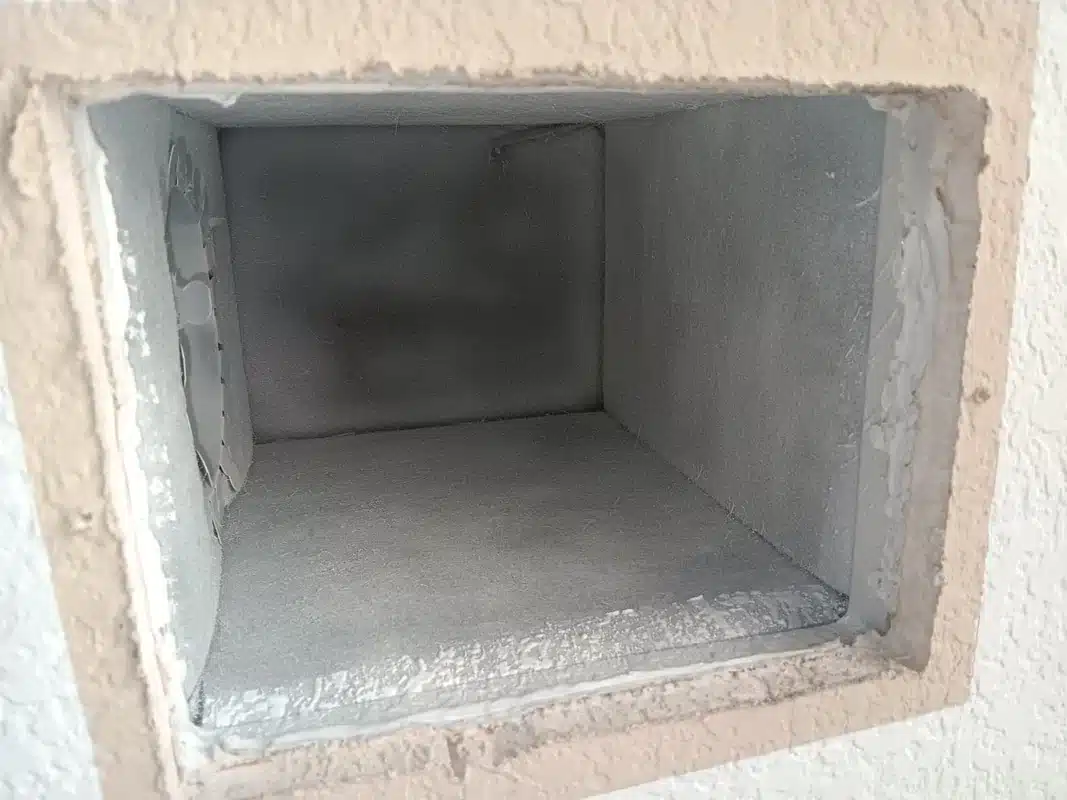
If duct cleaning is going to remove odors, the work must follow recognized standards. The most important best practices come from NADCA’s ACR Standard and proper HVAC manufacturer guidelines. Without full-system cleaning, odors often return within weeks. Excellent service should include:
- Full-system cleaning: Supply ducts, return ducts, air handler, blower motor, and evaporator coil compartment – not just visible vents.
- Negative pressure containment: A HEPA-filtered vacuum collection device connected to the trunk line to prevent cross-contamination.
- Mechanical agitation: Rotary brushes or air whips to dislodge adhered debris. Simply fogging deodorizer into ducts does not meet NADCA standards.
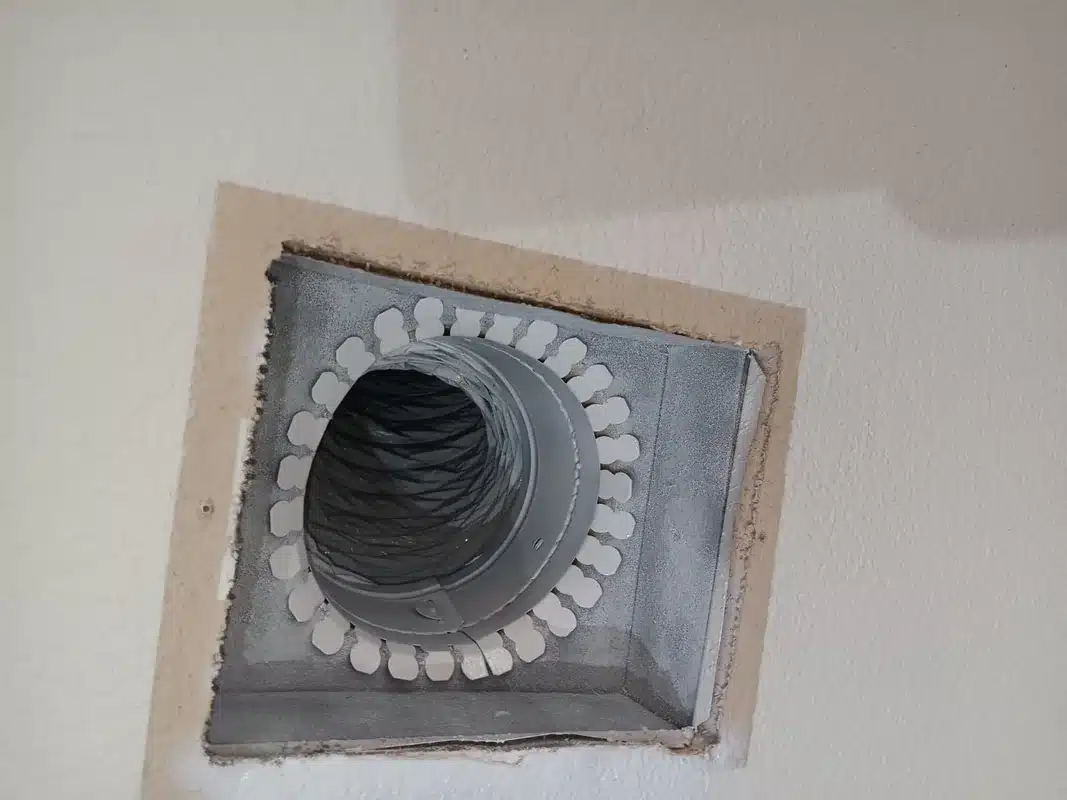
- Inspection documentation: Before-and-after photos from inside the ductwork.
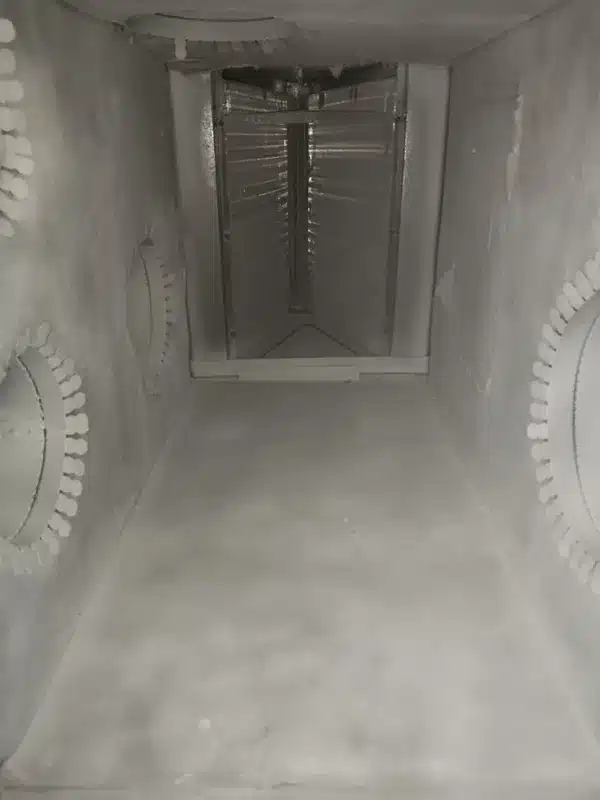
When Cleaning Works, When It Doesn’t, and What It May Cost
When odors persist after cleaning, the source often lies outside the ducts. We approach troubleshooting in a structured way:
- Check the evaporator coil and drain pan: Standing water or biofilm can create ongoing musty smells.
- Inspect insulation and duct liners: Saturated fiberglass may require replacement.
- Evaluate crawlspaces or attics: Leaks can draw in odors from rodent activity or moisture.
- Assess for mold: If confirmed, review concerns related to mold in ductwork and determine whether remediation or removal is required.
Schedule a Professional Odor Evaluation
If you are dealing with a persistent odor and wondering whether duct cleaning will truly fix it, now is the time to get a professional evaluation. Odors rarely disappear on their own, and they often signal hidden buildup, moisture issues, or damaged ductwork inside your HVAC system. Our trained specialists inspect the entire system, not just the visible vents, to pinpoint the exact cause. We check for debris, mold growth, leaks, and airflow problems that may be circulating unwanted smells throughout your home. Do not waste money on temporary solutions that only mask the issue. We focus on identifying and eliminating the true source so you can enjoy cleaner air and lasting freshness. A prompt inspection can prevent bigger repairs, protect your indoor air quality, and restore comfort to your home. Contact Air Duct Cleaning AP today to schedule your evaluation and get clear answers with real solutions.
FAQs
Does air duct cleaning remove odors permanently?
Air duct cleaning can permanently remove odors if the source of the smell is dust, debris, pet dander, or microbial growth inside the duct system. When we physically remove contaminants using HEPA-filtered negative air machines and mechanical agitation tools, the odor source is eliminated rather than masked. However, cleaning will not permanently solve odors caused by ongoing moisture problems, disconnected ducts, dead animals in wall cavities, or dirty evaporator coils. In those cases, the smell may return because the root cause remains active. Permanent results depend on accurate diagnosis. If the odor is limited to the HVAC distribution system and there are no leaks or moisture issues, cleaning can provide long-term relief. If the odor source is external to the ductwork, additional repairs or remediation may be necessary to achieve lasting results.
What types of smells indicate dirty air ducts?
Certain odors are more likely to originate from ductwork. A musty or damp smell when the system runs often suggests microbial growth inside ducts or on the evaporator coil. A stale, dusty odor may indicate heavy buildup of debris and fine particulates. Rodent-related odors can occur if pests have entered ductwork, leaving droppings or nesting materials. In these cases, cleaning must be paired with proper sanitation and sealing entry points. On the other hand, burning smells, gas odors, or electrical scents typically point to mechanical or utility issues rather than dirty ducts. Those situations require HVAC or utility inspection rather than cleaning alone. The timing of the odor matters. If the smell intensifies only when the blower operates, the duct system is a likely contributor. If the odor is constant regardless of HVAC use, the source may be elsewhere in the home.
How much does duct cleaning for odor removal cost?
Duct cleaning for odor concerns typically starts around several hundred dollars for smaller systems and may range into the low thousands for large or heavily contaminated homes. The final cost can fluctuate depending on site complexity, material condition, and total scope of work. For example, a single-system home with accessible ductwork may fall on the lower end of the range. Multi-zone systems, internally lined ducts, or systems requiring mold remediation may increase costs. If sections of ductwork must be replaced due to moisture damage, expenses can rise further. Timeframes usually range from three to six hours for standard homes, while extensive contamination may require a full day. These figures are preliminary benchmarks for informational purposes only and do not constitute a binding quote. An on-site evaluation is required for a final proposal.
Can I remove duct odors myself?
Homeowners can address minor odor contributors by taking several practical maintenance steps. Replacing HVAC filters on a consistent schedule is one of the most effective ways to reduce circulating dust and debris. High quality pleated filters rated MERV 8 – 11, or as recommended by the equipment manufacturer, help capture smaller airborne particles before they reenter the living space. Cleaning accessible vent covers and registers with mild soap and water can also prevent dust buildup and stale smells. In addition, checking that condensate drain lines are clear and draining properly helps prevent moisture accumulation, which can contribute to musty odors. While these steps are helpful, deep duct cleaning requires specialized tools and training. Professional contractors use powerful negative air machines, rotary brush systems, and compressed air tools to loosen and extract debris from the full length of the ductwork. Standard household shop vacuums cannot generate the sustained suction needed for proper source removal. If odors are caused by mold growth, pest contamination, or deteriorated duct materials, a professional inspection is strongly recommended. Spraying or fogging deodorizers into vents may briefly mask smells, but it does not eliminate the underlying contamination and can introduce unnecessary chemicals into the indoor air.
What are warning signs that odors are coming from the duct system?
Several warning signs can indicate that unpleasant smells are originating from your ductwork rather than another source in the home. One of the clearest indicators is an odor that becomes noticeably stronger when the HVAC system starts running and gradually fades after it shuts off. This pattern often suggests that contaminants are present within the air distribution system and are being circulated through the vents. Additional signs may include visible dust or debris blowing from supply registers, dark or greasy staining around vent covers, uneven or restricted airflow in certain rooms, or a known history of leaks or water intrusion near duct lines. Persistent musty odors following periods of high humidity can point to condensation buildup inside the ducts, which may encourage mold growth. Preventive maintenance is essential. Change air filters every one to three months based on system usage, keep return vents clear of furniture or obstructions, and schedule professional HVAC inspections regularly. Older systems or flexible ductwork installed in unconditioned areas may require more frequent evaluations to catch developing issues early.
Why do odors come back after duct cleaning?
Odors often return when the root cause of the problem has not been completely resolved. Partial cleaning is one of the most common reasons this happens. For example, vacuuming only the vent openings or visible duct sections may improve airflow temporarily, but it leaves contamination inside the main trunk lines untouched. Dust, pet dander, mold spores, and other debris can continue to circulate and create persistent smells. Moisture problems are another frequent contributor. Clogged drain pans, condensation buildup, or unsealed ducts can allow dampness to accumulate, creating an environment where mold and bacteria thrive. In many cases, previous service providers may have cleaned only the supply ducts while neglecting the return ducts, blower compartment, or evaporator coil. When key components are overlooked, odors can resurface within weeks because the source was never fully removed. Duct leakage can also draw in air from crawlspaces or attics that contain mold, insulation particles, or organic debris. Achieving long term results requires thorough full-system cleaning, effective moisture control, and proper duct sealing. Addressing just one element typically leads to ongoing odor issues and repeated service calls.
How do I choose a qualified duct cleaning company?
Look for companies that follow NADCA standards and can clearly explain their cleaning methodology step by step. Reputable providers should use HEPA-filtered negative air machines to create proper suction throughout the duct system, along with mechanical agitation tools such as rotating brushes or compressed air whips to dislodge debris. Handheld vacuums alone are not sufficient for a thorough cleaning. Ask whether the service includes cleaning the air handler, blower motor, evaporator coil compartment, and return and supply trunks, since contaminants often accumulate in these areas. Request before and after photos of the interior ductwork to verify the results. Transparent pricing, a detailed written scope of work, and a clear breakdown of what is included all indicate professionalism. Confirm that the company carries liability insurance and holds the appropriate business licenses, and ask for proof if needed. Be cautious of extremely low promotional offers that do not account for system size, accessibility, or contamination level. Proper duct cleaning takes time, specialized equipment, and trained technicians. Clear communication and documented procedures help ensure effective odor removal and improved indoor air quality.
When should I schedule duct cleaning for an odor problem?
Schedule a professional evaluation if you notice persistent musty, moldy, or stale odors that appear when your HVAC system is running and do not improve after changing the air filter. Although duct related odors are not usually urgent emergencies, postponing an inspection can allow hidden moisture, microbial growth, or debris buildup to spread and become more difficult to correct. Over time, these conditions may negatively affect indoor air quality and overall system efficiency. While waiting for an appointment, replace the HVAC filter with the correct size and rating recommended by the manufacturer. Make sure supply and return vents are open, clean, and not blocked by furniture or rugs. Inspect the area around the air handler, furnace, or evaporator coil for visible water, rust, or condensation. Avoid spraying air fresheners or disinfectants into vents, as these products can mask the source and interfere with accurate diagnosis. If your home recently experienced flooding, roof leaks, plumbing failures, or rodent intrusion, arrange an inspection promptly. Early identification allows targeted cleaning, repair, or component replacement before the issue escalates.